
Once again, we find ourselves at a Wikipedia stub page for a woman in music, for composer Jessie Furze. Though there’s a pretty sizeable collection of works listed, there’s not much in the way of biography. Jessie was once again a composer and pianist, and dedicated much of her career to writing educational music. But a quick look in the BNA lands us straight with Jessie in Norwood, for a while now I’ve been bumping up against the musical world of the London suburb – with Streatham not far behind. This is about as much intrigue as I need to lure me into finding more information out about these amazing women, so if you fancy a ride into newspaper lane, jump in.
Continue reading “Following threads of women composers: Jessie Furze”Category: women in music
Following threads of women composers: Harriet Maitland Young
As should by this point be becoming clearer, I like a wild goose chase. In this case, a very short Wikipedia article on Harriet Maitland Young (1838-1923) got my attention, a composer about whom very little is known other than her mention in the Women’s Work in Music (1903). The Wikipedia article lists four operettas by Young, and notes she is buried in Camden. So if we dig a bit more… what do we find? I think you’ll know by now I can’t resist a mystery adventure.
Continue reading “Following threads of women composers: Harriet Maitland Young”Avril Coleridge-Taylor and the Royal Albert Hall
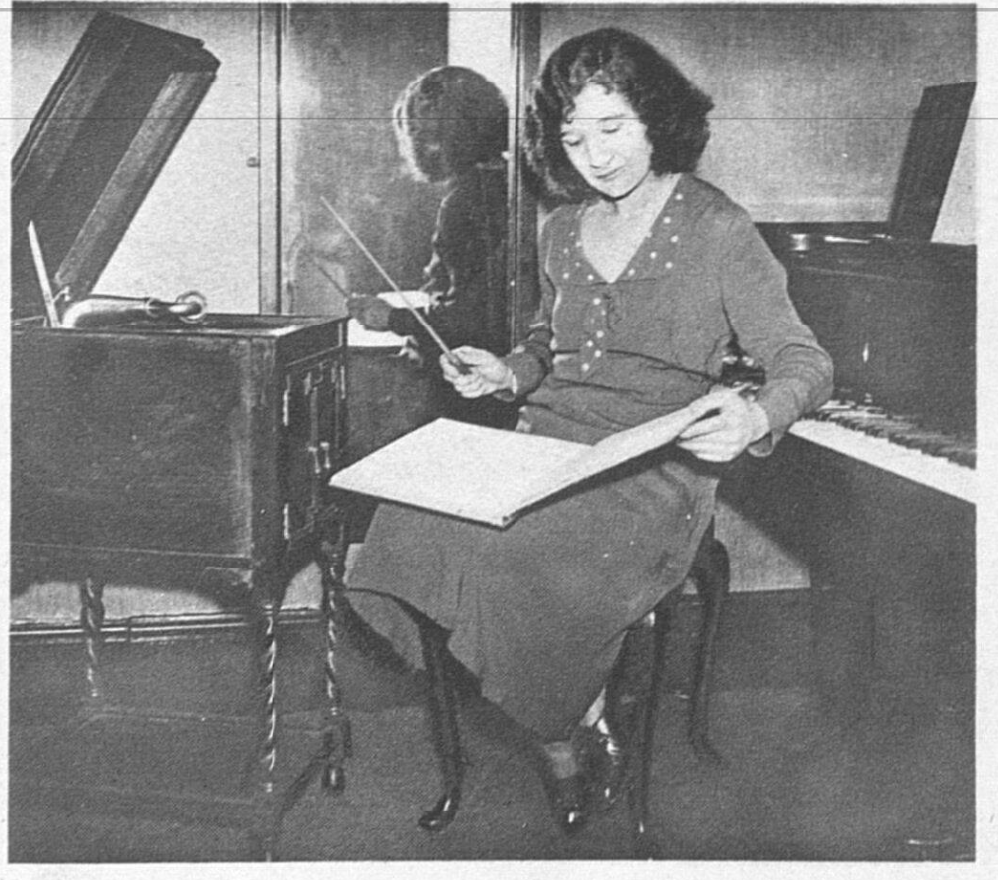
This summer Avril Coleridge-Taylor’s music will be played at the Proms for only the second time, with her piece ‘The Shepherd’ receiving its debut as part of the Great British Works Prom on the 4th August. She is a recent Proms arrival, her orchestral work ‘A Sussex Landscape’ was first performed there only last year. Yet despite this long neglect of her output, Avril was no stranger to the Albert Hall as a venue for her own work (and yes, the Proms only moved to the RAH in 1941). The Coleridge-Taylor family had a special connection with the concert hall.
Continue reading “Avril Coleridge-Taylor and the Royal Albert Hall”Eva Jessye
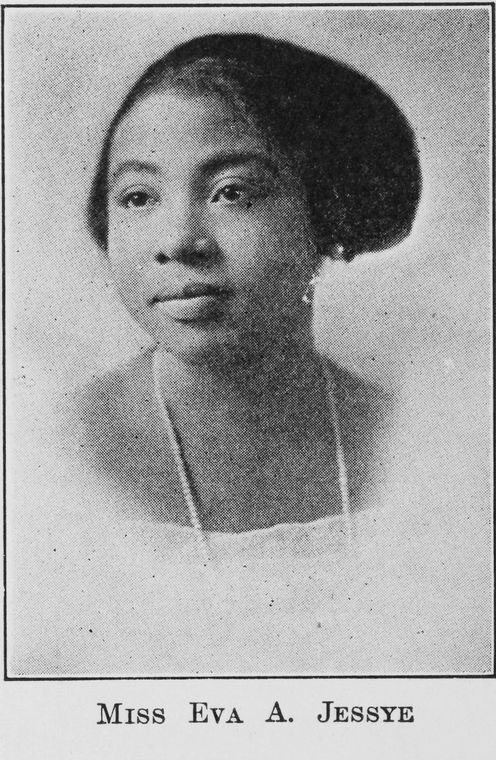
(b. 1895, Coffeyville, Kansas – 1992)
Choir director, music director, activist, composer, journalist. Led the official choir of the March on Washington (1963)
Jessye’s musical leadership during the 1920s and 1930s placed her at the helm of some of the most important significant productions during this period, on Broadway and in Hollywood. She was a music director for King Vidor’s Hallelujah (1929), the first Black cast sound film (though Vidor was white), and her choir, the Dixie Jubilee Singers appeared in the film. She was accepted to university aged 14, because she wasn’t allowed to enroll in high school education as a Black woman. She met and was inspired by Will Marion Cook, and after graduation worked as a high school teacher. In this article I’ve found some of her remarks in interviews and coverage of her work.
Continue reading “Eva Jessye”Margaret Rosezarian Harris
Margaret Harris (1943 – 2000) is slightly better remembered for her work as a conductor than her contemporary, Joyce Brown. She had a long association with the musical Hair and conducted over 800 performances, on Broadway and as MD for its national tours .
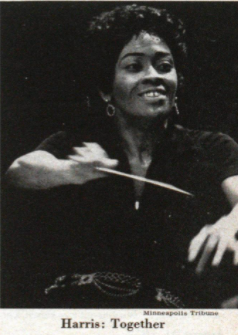
There’s much more to Harris’s career, and retracing newspaper coverage of her work reveals interviews with her, and the prospect of several Broadway shows she was never credited for. Footage of Harris conducting and playing the piano has also been found, and shared here for the first time.
Continue reading “Margaret Rosezarian Harris”The first RNCM cohort – snapshots of lives in music
In the last post – I talked about how we could research the people listed in the 1893 RNCM register, most of whom are women. I’ve shared some of the research findings here – with some intriguing, but sometimes incomplete findings. It is very difficult to find details on women’s professional careers because their names often changed at marriage – and not just their first name as some women became professionally known as Mrs [Husband’s first name] [Husband’s last name]. It is worth noting that the Married Women’s Property Act had only come into effect in 1882.
So here are 16 mini-biographies where women can be traced – more may be added if I find anything else!
Continue reading “The first RNCM cohort – snapshots of lives in music”Women in Music – RNCM 1893
Back in the *before times* I did quite a lot of research on the 1893 register of the first intake into what was then the Royal Manchester College of Music.
I’ve come back to this dataset to think about how we can understand who was part of this first group of students, and how they began their professional careers. The first intake into the school in October 1893 was 82% female – and some later historical accounts of the school emphasised the idea that it was a kind of finishing school for nice, middle-class, ladies looking for good husbands. But the reality is very different, and the evidence clearly demonstrates the school was a vital part of training musicians and teachers, right from the beginning. The assumption has been made that because it was for women, it couldn’t possibly have been serious, but of course, that’s just not the case.
Continue reading “Women in Music – RNCM 1893” Sarah Whitfield
